
Boutique hotel 3D rendering is the architectural visualization process that transforms preliminary hospitality design concepts into photorealistic digital environments, enabling developers, interior designers, and marketing teams to evaluate spatial aesthetics, material palettes, and guest flow dynamics before construction begins. This specialized form of hospitality rendering bridges the gap between abstract architectural plans and tangible guest experience marketing by producing immersive still images, virtual tours, and animated walkthroughs that communicate brand narrative and atmospheric intent. By leveraging advanced 3D hotel visualization workflows, stakeholders gain the ability to refine interior layouts, exterior facades, and amenity presentations with precision, ultimately accelerating pre-construction sales, securing investor confidence, and establishing emotional resonance with future guests.
The hospitality sector increasingly relies on digital visualization to communicate value before physical spaces exist. Boutique properties, with their emphasis on distinctive design narratives and personalized guest experiences, demand visualization approaches that differ significantly from standardized hotel chains. Consequently, boutique hotel 3D rendering has emerged as an indispensable tool for developers who need to convey uniqueness, craftsmanship, and atmospheric quality to discerning audiences.
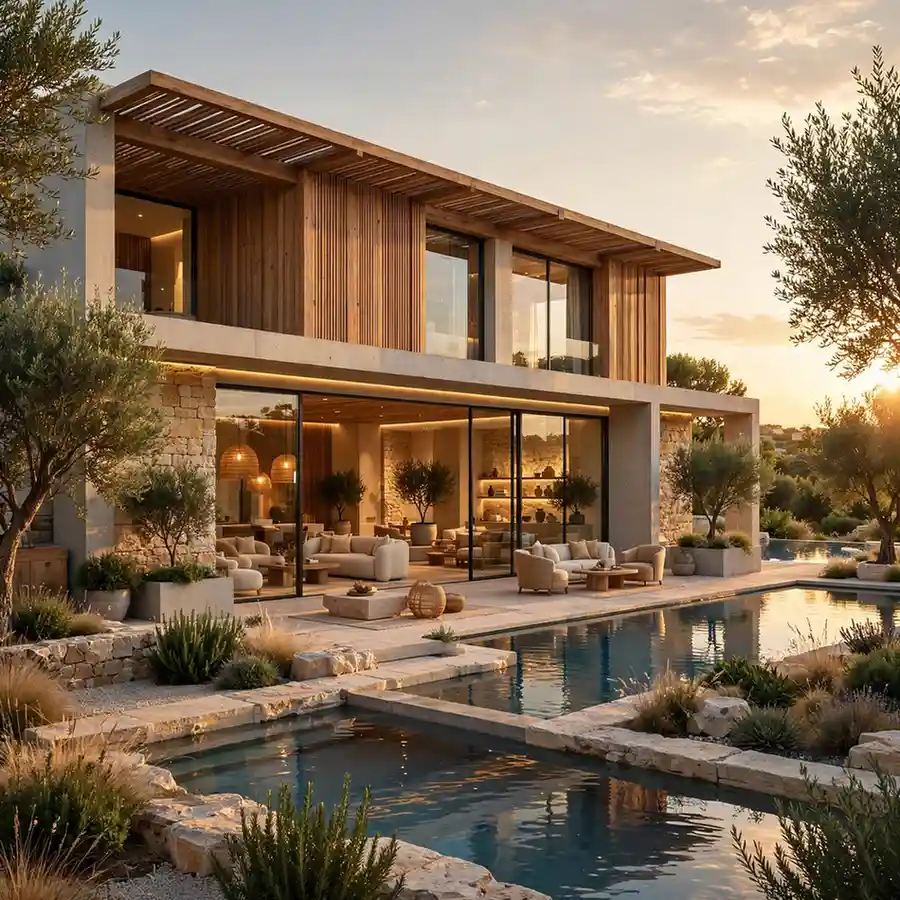
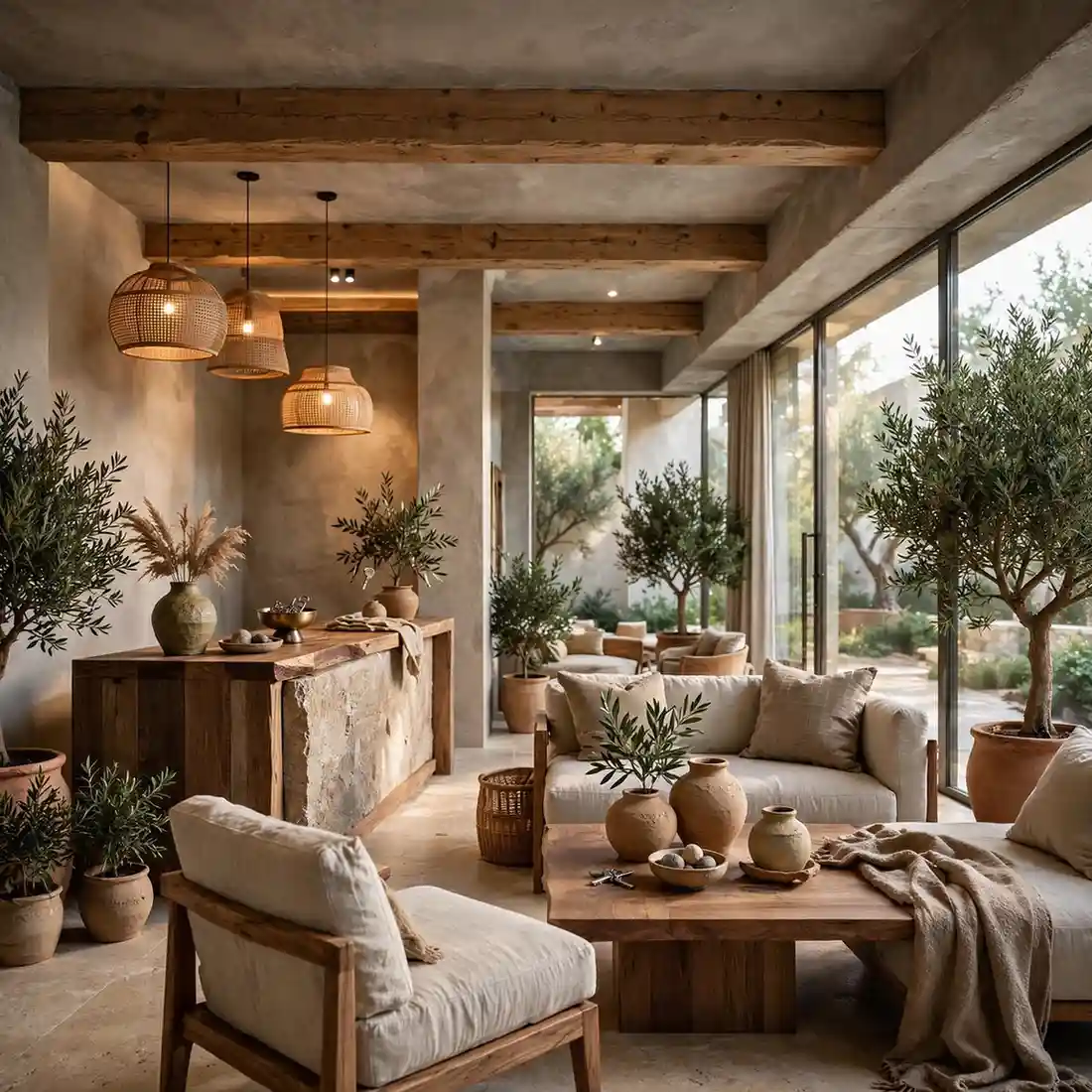
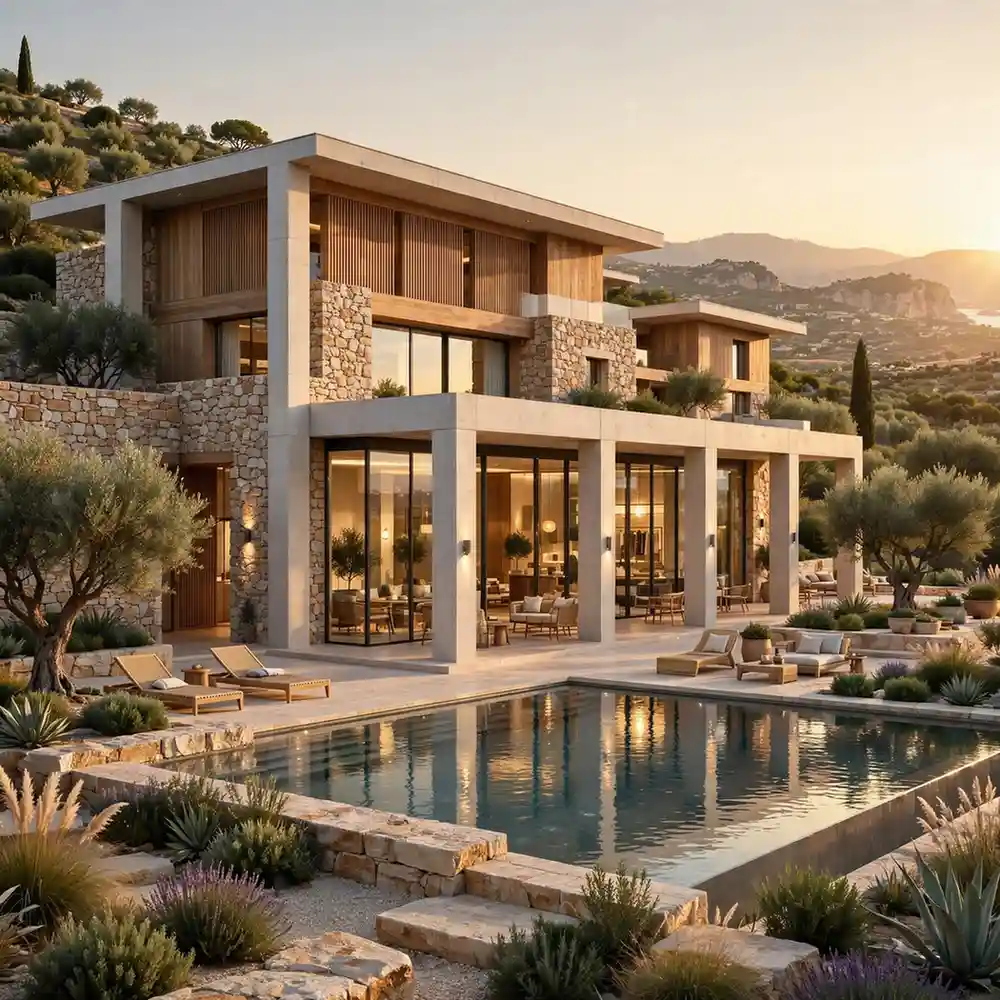
Unlike conventional architectural drawings or flat mood boards, photorealistic hotel renderings allow prospective guests and investors to inhabit a space visually before groundbreaking occurs. Furthermore, these visual assets function across multiple channels: investor presentations, brand websites, social media campaigns, and pre-booking platforms. Therefore, the strategic deployment of hospitality visualization directly influences both commercial success and design refinement.
For developers seeking comprehensive real estate rendering services that encompass hospitality visualization, The Real Estate Rendering Company delivers end-to-end digital asset production tailored to boutique properties. Our specialized workflows address the unique spatial storytelling requirements that distinguish intimate hospitality environments from large-scale commercial developments.
What is Boutique Hotel 3D Rendering?
Boutique hotel 3D rendering refers to the creation of high-fidelity digital images, animations, and interactive environments that accurately represent proposed boutique hotel designs. This discipline combines architectural precision with artistic interpretation to produce visuals that communicate not merely structure, but ambiance, texture, and emotional experience.
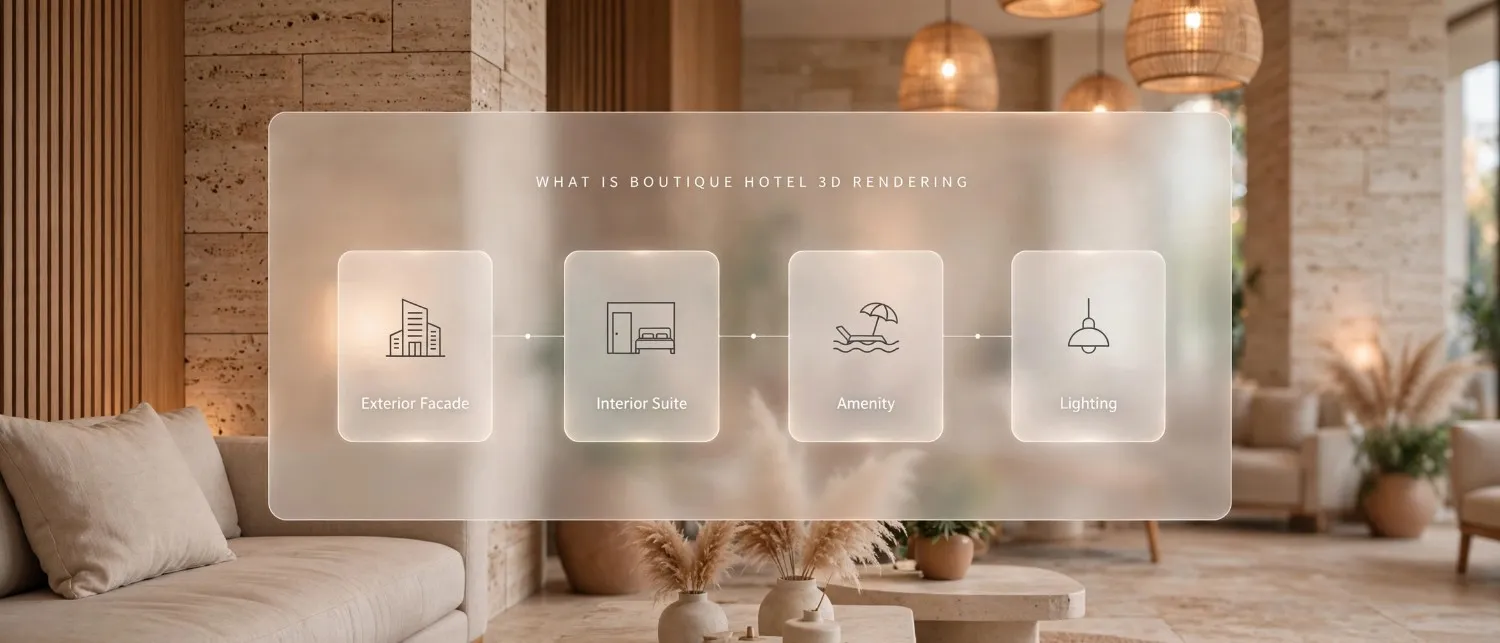
Specifically, boutique hotel visualization encompasses exterior facade renderings, interior lobby and suite visualizations, amenity space depictions, and contextual site integrations. Each deliverable serves distinct communication objectives while maintaining consistent brand aesthetics. Moreover, these renderings incorporate accurate lighting simulations, material specifications, and furniture configurations that mirror final construction intent.
The process fundamentally differs from generic 3D modeling through its emphasis on atmospheric storytelling. While technical 3D models prioritize geometric accuracy, boutique hotel 3D rendering prioritizes the guest’s emotional journey through carefully curated sightlines, lighting moods, and spatial sequences. Thus, the visualization becomes a marketing instrument as much as a design validation tool.
Architects and developers frequently utilize these renderings during municipal approval processes. Municipal boards and historical preservation committees often respond more favorably to photorealistic presentations than to abstract technical drawings. Additionally, hospitality operators use these visuals to secure franchise agreements, management contracts, and preliminary bookings long before construction completion.
Why Boutique Hotels Require Specialized 3D Visualization
Boutique hotels operate within a distinct market segment that prioritizes individuality, localized design narratives, and experiential depth over standardized efficiency. Therefore, their visualization needs extend beyond conventional architectural representation.
Standard hotel chains rely on repeatable room templates and recognizable brand standards. Conversely, boutique properties cultivate uniqueness: a converted historic manor in Charleston requires entirely different visualization treatment than a minimalist coastal retreat in Malibu. Each property demands custom material libraries, location-specific lighting studies, and culturally relevant styling that generic rendering approaches cannot accommodate.
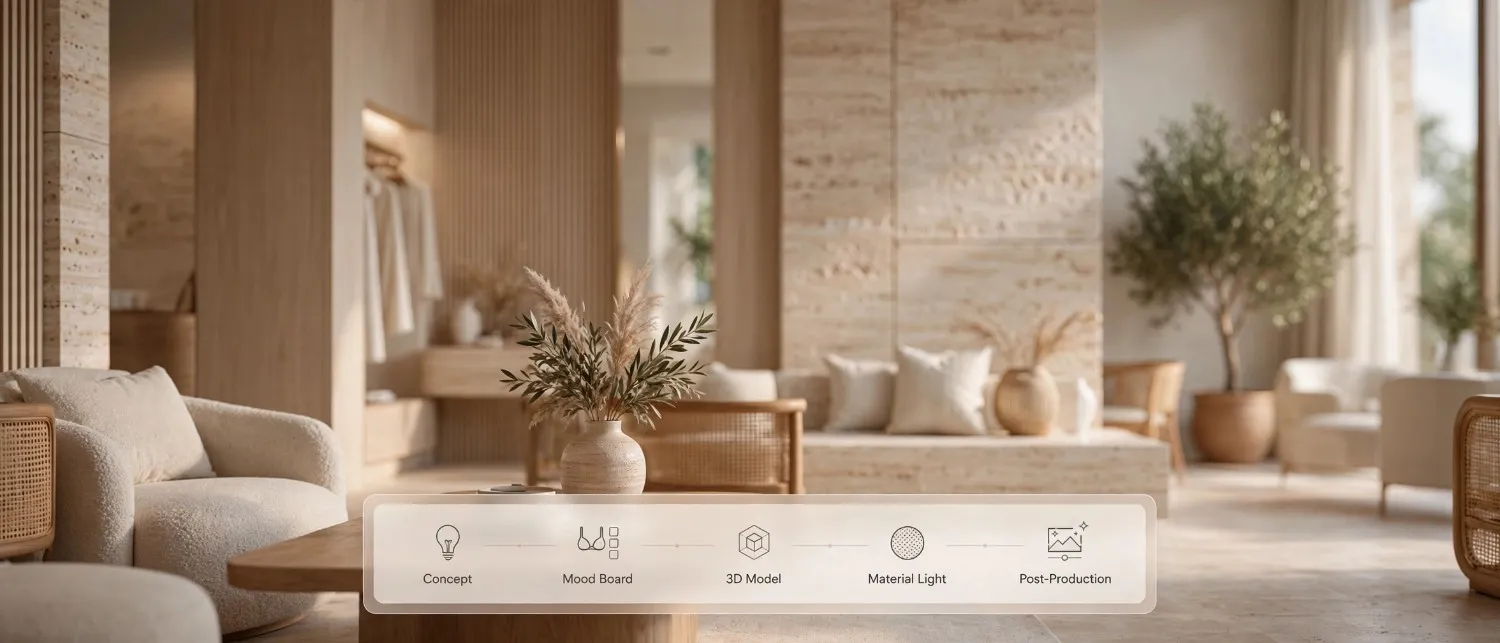
The target audience for boutique hospitality also differs markedly. Discerning travelers seek authenticity, architectural character, and intimate scale. Their booking decisions hinge upon emotional connection rather than loyalty program convenience. As a result, marketing visuals must evoke specific moods: the warmth of hand-plastered walls, the interplay of natural light through bespoke fenestration, or the tactile richness of locally sourced furnishings.
Furthermore, boutique developments often involve adaptive reuse projects, historic renovations, or context-sensitive new constructions. These scenarios require visualization artists to accurately depict existing architectural fabric alongside proposed interventions. The technical complexity of blending old and new elements necessitates specialized expertise in heritage visualization and contextual rendering.
Investor presentations for boutique projects similarly demand nuanced visualization. Private equity partners and boutique hospitality funds evaluate proposals based on experiential differentiation and market positioning. High-quality 3D hotel visualization enables these stakeholders to assess design intent, competitive positioning, and revenue potential with greater confidence than traditional feasibility documents permit.
The Boutique Hotel 3D Rendering Workflow: From Concept to Completion
Successful hospitality visualization follows a structured creative pipeline. Understanding this workflow helps developers anticipate timelines, allocate resources effectively, and achieve optimal outcomes.
Conceptual Design and Mood Boarding

The initial phase establishes the project’s creative direction. Visualization teams review architectural drawings, interior design schemes, brand guidelines, and reference photography. Subsequently, artists compile mood boards that define color palettes, material languages, lighting philosophies, and atmospheric targets.
This stage requires intensive collaboration between architects, interior designers, and rendering specialists. Boutique properties often draw inspiration from local culture, natural surroundings, or historical narratives. Therefore, research into regional architectural traditions, indigenous materials, and contextual coloration proves essential for authentic visualization.
Client input during mood boarding prevents costly revisions later. Approving directional aesthetics before modeling begins ensures that subsequent production aligns with stakeholder expectations. Moreover, this phase identifies potential technical challenges: complex ceiling geometries, intricate millwork, or unique water features that require specialized modeling approaches.
3D Modeling and Spatial Configuration

Once creative direction is established, artists construct detailed three-dimensional models using architectural CAD files as foundational geometry. These models include structural elements, interior partitions, facade treatments, and landscape features.
Boutique hotel modeling demands particular attention to scale and proportion. Intimate lobbies, individually configured guest rooms, and bespoke furniture pieces require meticulous dimensional accuracy. Additionally, artists must model subtle architectural details: shadow gaps, reveal lines, trim profiles, and hardware specifications that contribute to visual authenticity.
Spatial configuration extends beyond mere geometry. Artists establish camera positions that optimize sightlines, emphasize design features, and guide viewer attention through intentional compositional choices. These decisions directly impact how effectively the rendering communicates spatial quality and guest experience potential.
Material Specification and Texture Mapping

Material accuracy distinguishes professional hospitality renderings from amateur visualization. Artists create or source high-resolution texture maps that replicate the surface characteristics of proposed finishes: marble veining, wood grain, fabric weave, metal patina, and plaster irregularity.
PBR (Physically Based Rendering) workflows ensure that materials respond realistically to lighting conditions. This technical approach simulates how light interacts with actual surfaces, producing reflections, subsurface scattering, and micro-surface roughness that mirror physical reality. Consequently, velvet upholstery appears soft and light-absorbing, while polished stone exhibits appropriate specularity and depth.
For boutique properties, custom material development often proves necessary. Mass-market texture libraries rarely capture the specific reclaimed timber, artisanal ceramics, or hand-woven textiles that define distinctive hospitality interiors. Rendering studios frequently photograph actual material samples to develop bespoke digital assets.
Lighting Design and Atmospheric Rendering

Lighting constitutes perhaps the most critical element in hospitality visualization. The interplay of natural daylight, architectural lighting, and decorative fixtures establishes mood, defines spatial hierarchy, and suggests temporal context.
Artists conduct lighting studies that simulate various conditions: morning lobby illumination, golden-hour exterior facades, evening restaurant ambiance, and nighttime guest room tranquility. Each scenario requires distinct technical approaches and artistic sensibilities. Moreover, boutique hotels often feature statement lighting fixtures that function as sculptural elements; these require accurate photometric representation.
Atmospheric effects further enhance realism. Subtle haze, volumetric light beams, reflective surfaces, and environmental context contribute to immersive quality. However, restraint remains essential. Over-dramatized lighting can misrepresent actual spatial experience and create expectations that physical construction cannot fulfill.
Post-Production and Marketing Optimization

Final render outputs undergo comprehensive post-production to achieve publication quality. Color grading, contrast optimization, and compositional refinement ensure visual impact across digital and print applications.
Marketing optimization involves formatting assets for specific distribution channels. Website hero images require different aspect ratios and compression standards than Instagram content or printed brochures. Additionally, artists may create derivative formats: panoramic views for virtual tours, cropped details for material close-ups, or stylized variations for seasonal campaigns.
This phase also includes quality assurance verification. Teams compare final outputs against design specifications, ensuring that represented materials, furniture selections, and architectural details remain accurate to approved schemes. Any discrepancies could mislead investors, guests, or approval authorities.
Types of Boutique Hotel 3D Renderings
Hospitality visualization encompasses diverse deliverable categories. Each type serves specific communication and marketing objectives throughout the project lifecycle.
Exterior Architectural Visualization

Exterior renderings present the hotel’s relationship with its surrounding context. These visuals communicate facade design, landscape integration, arrival sequences, and nighttime presence. For urban boutique properties, exterior visualization demonstrates street-level activation, signage integration, and pedestrian engagement. For resort-style properties, these renderings emphasize natural setting, outdoor amenity zones, and viewshed optimization.
Exterior visualization best practices developed for commercial architecture apply equally to hospitality projects, though boutique hotels require enhanced attention to material authenticity and contextual sensitivity. The exterior rendering must suggest the experience of approaching, entering, and inhabiting the property.
Interior Space Rendering

Interior renderings constitute the most emotionally impactful visualization category. These images depict lobbies, guest suites, corridors, restaurants, spas, and back-of-house areas. Each space requires distinct lighting scenarios, furniture styling, and atmospheric treatment.
Guest room renderings particularly influence booking behavior. Travelers evaluate room size, bed configuration, bathroom quality, and view potential through these visuals. Therefore, accuracy remains paramount. Artists must represent actual room dimensions, authentic furniture specifications, and realistic window views rather than idealized approximations.
Lobby and public area renderings establish brand identity. These spaces communicate the property’s design philosophy, service level, and social atmosphere. Boutique hotel lobbies often function as living rooms, co-working spaces, and cultural venues simultaneously; visualization must capture this multifunctional character.
Amenity and Lifestyle Visualization

Boutique hotels differentiate themselves through curated amenities: rooftop bars, intimate spas, chef-driven restaurants, and wellness facilities. Amenity renderings visualize these experiential offerings, enabling guests to imagine themselves utilizing these spaces.
Lifestyle visualization extends beyond architectural documentation. These images incorporate human figures, activity suggestions, and contextual details that suggest usage patterns. A rooftop rendering might feature guests enjoying cocktails at sunset; a spa visualization might suggest tranquility through minimalist composition and soft natural lighting.
This category requires particular artistic sensitivity. Human figures must appear natural and diverse, avoiding stock-photo artificiality. Furthermore, activity depictions must align with the property’s target demographic and brand positioning.
Aerial and Site Context Renderings

Aerial perspectives demonstrate the hotel’s relationship to its broader environment. These renderings prove especially valuable for resort properties, historic district developments, and projects where natural setting constitutes a primary selling point.
Site context visualization often involves drone photography integration, topographic modeling, and geographic accuracy. Artists must ensure that represented surroundings, neighboring structures, and landscape features correspond to actual conditions. Misleading context representation can create legal exposure and damage brand credibility.
How Boutique Hotel 3D Rendering Enhances Guest Experience Marketing
Modern hospitality marketing operates within a visually saturated digital ecosystem. Boutique hotel 3D rendering provides competitive advantage through immersive pre-experience engagement.
Industry analysis from hospitality industry research consistently demonstrates that visual content quality ranks among the top three factors influencing boutique hotel booking decisions across all demographic segments. Properties that invest in superior visualization capture attention earlier and convert interest more effectively than competitors relying upon generic imagery.
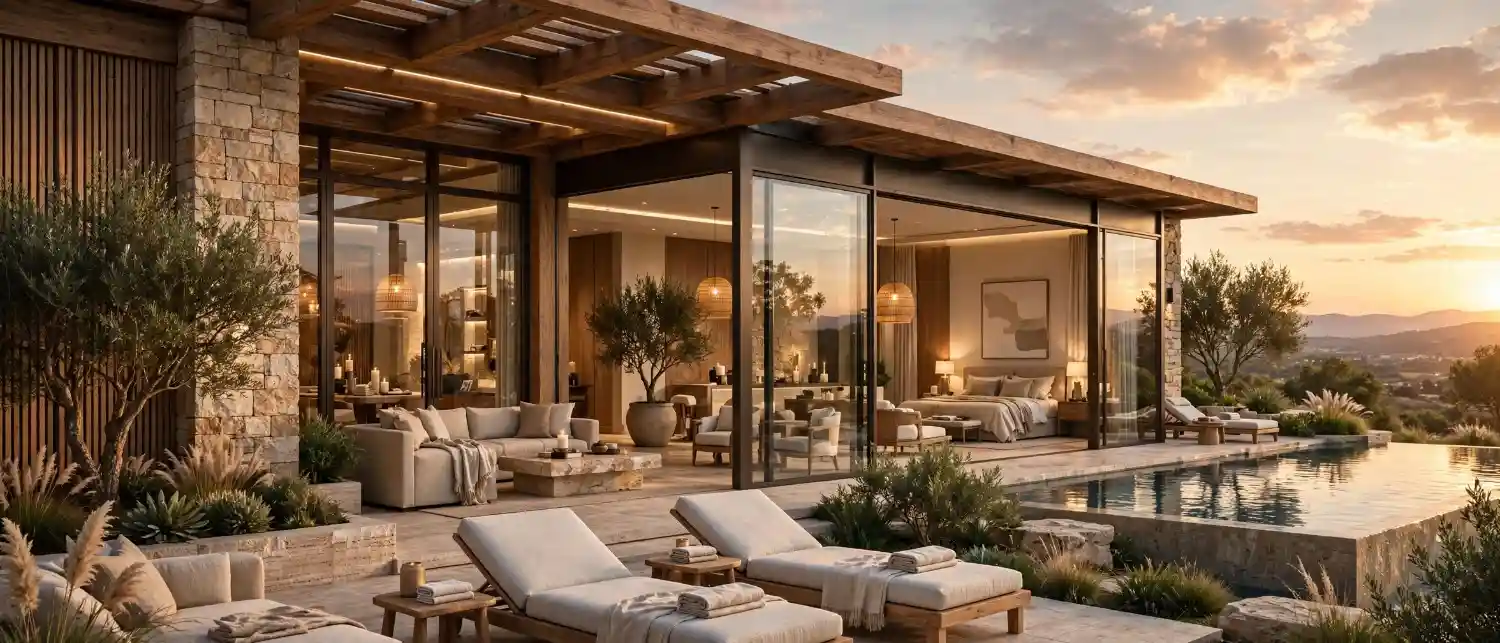
Pre-Construction Booking Enablement
Boutique properties increasingly accept reservations during construction phases. Photorealistic renderings enable this revenue strategy by providing potential guests with accurate spatial understanding. When travelers can visualize their future accommodations with confidence, conversion rates improve significantly.
Furthermore, rendering-based booking platforms allow users to select specific rooms based on view, layout, and design character. This transparency builds trust and reduces post-arrival dissatisfaction. Guests arrive with appropriate expectations, having already formed positive mental associations with their chosen accommodations.
Brand Narrative Development
Boutique hotels compete on storytelling. Each property cultivates a narrative: the restored Victorian mansion, the avant-garde urban sanctuary, the sustainable eco-lodge. 3D hotel visualization translates abstract brand concepts into tangible visual assets that communicate these narratives consistently across channels.
Marketing teams utilize renderings to develop cohesive visual identities before photography becomes possible. Website launches, social media campaigns, and press kits can proceed with high-quality imagery that accurately represents the forthcoming property. This accelerates brand awareness and market positioning.
Investor and Stakeholder Communication
Development timelines for boutique properties often involve complex financing structures, joint ventures, and institutional partnerships. Regular visualization updates throughout the design process maintain stakeholder engagement and confidence.
Win development approvals and pre-sales by presenting photorealistic evidence of design quality and market appeal. Visualization transforms abstract pro formas into compelling visual arguments for project viability.
Digital Experience Integration
Contemporary travelers research extensively across digital touchpoints before booking. Boutique hotel 3D rendering assets integrate seamlessly into virtual tours, interactive floor plans, augmented reality applications, and immersive websites. These technologies extend the utility of base renderings into multi-format experiential marketing.
Virtual reality tours, derived from rendering models, allow prospective guests to navigate spaces at their own pace. This self-directed exploration creates psychological ownership and emotional investment. Consequently, booking intent strengthens measurably.
The Role of Lighting and Atmosphere in Boutique Hotel Visualization
Lighting design fundamentally determines rendering quality and emotional impact. In boutique hospitality visualization, lighting serves as both a technical variable and an artistic medium.
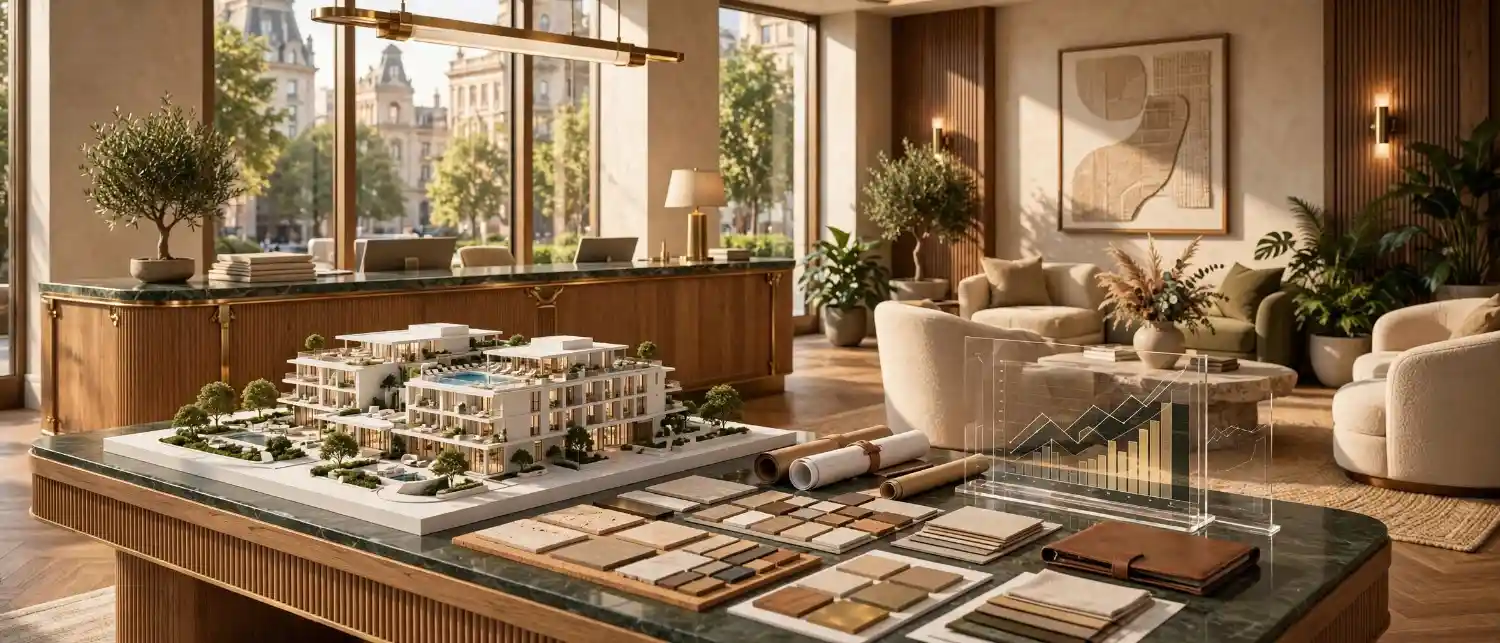
Natural lighting simulations must account for geographic latitude, seasonal variation, and daily solar paths. A boutique hotel in Stockholm requires fundamentally different daylight treatment than an identical property in Singapore. Artists must research local solar angles, typical weather patterns, and ambient light color temperatures to achieve contextual accuracy.
Artificial lighting layers add complexity and richness. Boutique properties often feature statement pendants, concealed cove lighting, bedside sconces, and accent spotlights that create visual hierarchy. Each fixture type emits distinct light quality, color temperature, and distribution patterns. Accurate representation requires photometric data and fixture-specific modeling.
Atmospheric context extends beyond illumination sources. Seasonal renderings might depict autumn foliage, winter snow, or summer verdancy depending on marketing calendar requirements. These environmental choices influence emotional response and booking behavior. A cozy fireplace rendering generates winter escape desire, while a sun-drenched pool visualization stimulates summer travel planning.
Material-light interaction deserves particular attention. The same stone surface appears dramatically different under cool LED downlights versus warm incandescent pendants. Professional rendering artists calibrate these relationships meticulously, ensuring that represented materiality remains faithful to design intent across various lighting scenarios.
Technical Standards and Best Practices for Hospitality Renderings
Achieving publication-quality boutique hotel 3D rendering requires adherence to established technical standards. Architectural visualization aligns with professional documentation standards recognized by the American Institute of Architects, ensuring that rendered representations maintain appropriate accuracy for design review and approval processes.
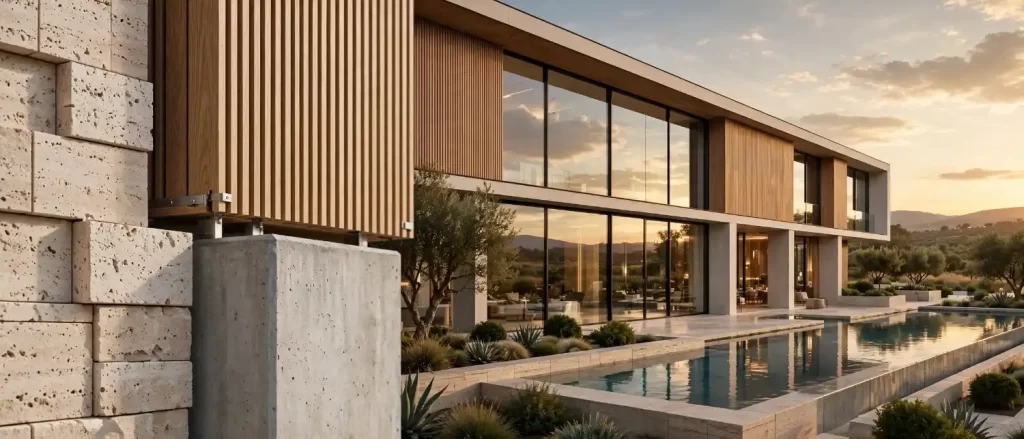
Dimensional Accuracy and Scale Fidelity
All rendered elements must conform to approved architectural dimensions. Camera heights, furniture proportions, ceiling elevations, and spatial clearances require verification against construction documents. Even minor scale discrepancies can undermine credibility and create false expectations.
Artists should utilize real-world measurement units throughout production. Metric and imperial consistency prevents conversion errors. Furthermore, human scale references, whether explicit figures or implicit furniture dimensions, anchor viewer perception and validate spatial comfort.
Material Authenticity and Brand Alignment
Represented materials must correspond to specified finishes. Substituting similar-looking textures for unavailable samples compromises design integrity. When final material selections remain undetermined, artists should clearly annotate renderings as indicative rather than definitive.
Brand alignment extends to styling details. Artwork selections, accessory arrangements, and floral choices should reflect the property’s intended aesthetic direction. Generic filler elements can dilute brand distinctiveness and suggest amateur production values.
Resolution and Format Specifications
Marketing applications demand varying technical specifications. Large-format print advertisements require substantially higher resolution than mobile-optimized web content. Artists should produce master files at maximum resolution, subsequently generating optimized derivatives for specific channels.
File formats similarly vary by application. TIFF or PNG formats preserve quality for print production, while compressed JPEGs balance quality and loading speed for web deployment. Vector-based graphic overlays enable text integration without resolution degradation.
Common Mistakes in Hotel Visualization Projects
Even experienced developers occasionally encounter visualization pitfalls. Awareness of these common errors prevents costly revisions and marketing missteps.
Unrealistic Lighting and Over-Processing
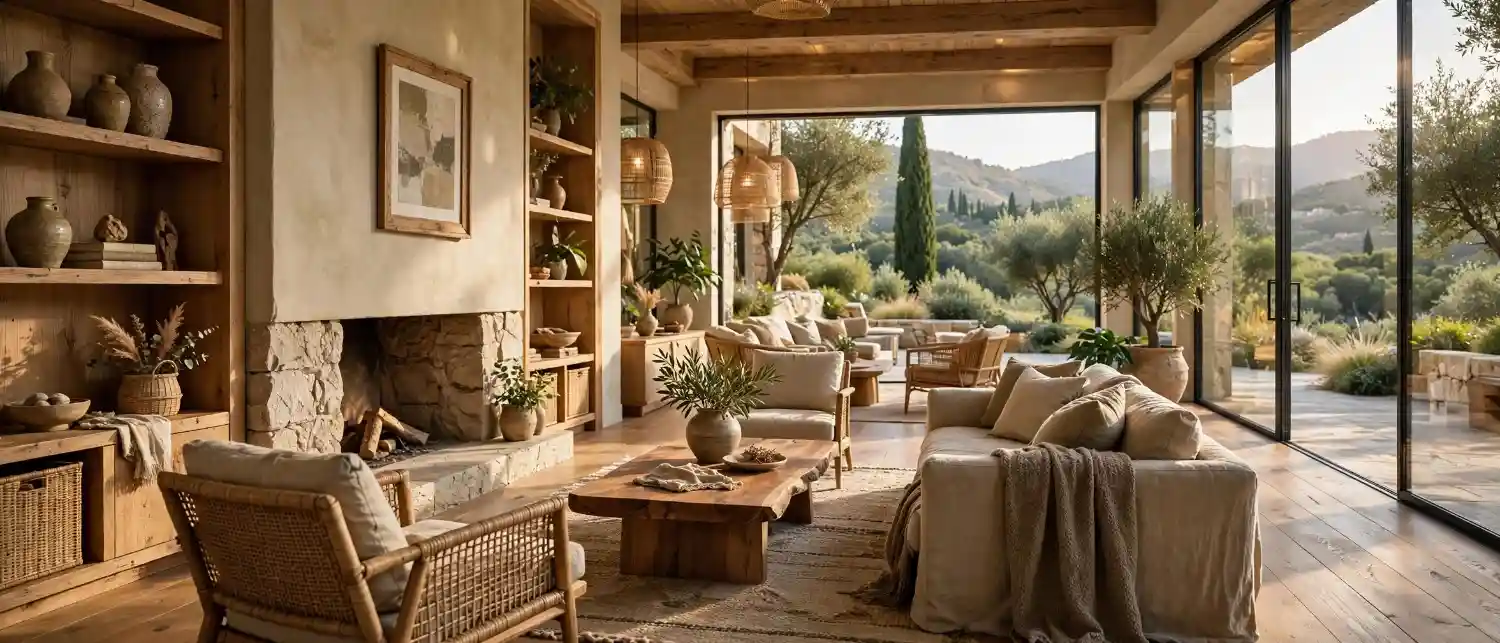
Excessive post-production creates hyper-realized imagery that physical spaces cannot match. Oversaturated colors, impossible shadow clarity, and fantastical lighting effects might attract initial attention but ultimately generate guest disappointment. Transparency about rendering representation maintains long-term brand trust.
Generic Styling and Stock Asset Dependency
Boutique properties lose their distinctive character when visualization relies heavily on generic furniture models, repetitive plantings, or clichéd styling. Custom asset development, while more resource-intensive, preserves design uniqueness and authentic brand expression.
Scale and Proportion Errors
Inaccurate furniture scaling represents the most frequent technical error. Oversized sofas, undersized light fixtures, or distorted spatial perspectives create subconscious viewer discomfort. Rigorous dimensional verification throughout production eliminates these issues.
Neglecting Context and Setting
Rendering buildings in isolation, without environmental context, misses opportunities to communicate location advantage and setting character. Boutique hotels derive significant value from their surroundings; visualization should celebrate rather than ignore this context.
Inadequate Pre-Production Planning
Rushing into modeling without comprehensive mood boarding and material specification frequently necessitates mid-production revisions. Thorough preparation, including prepare architectural drawings for rendering with appropriate detail and organization, streamlines subsequent phases and improves final quality.
Integrating Virtual Reality and Interactive Tours
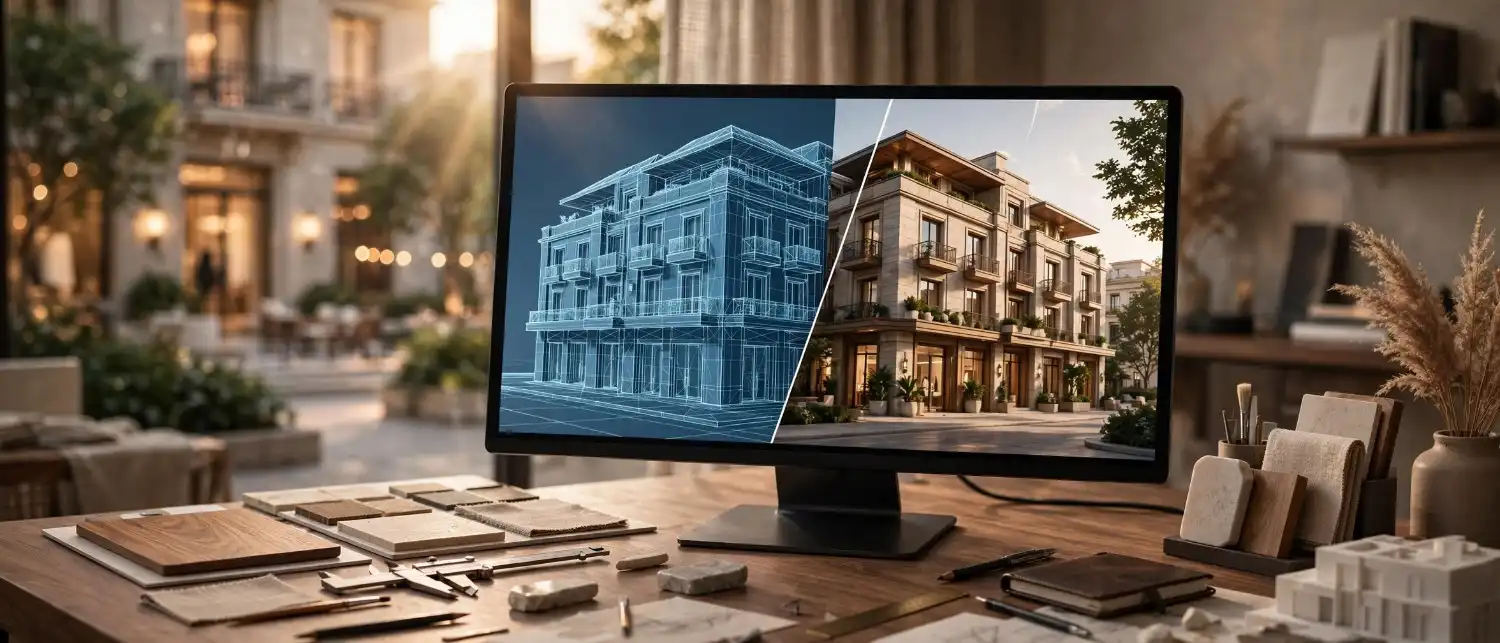
The evolution of hospitality marketing increasingly favors interactive and immersive formats. Boutique hotel 3D rendering models provide foundational assets for extended reality applications.
Virtual reality walkthroughs enable prospective guests to experience spatial sequences firsthand. Rather than viewing static images, users navigate lobbies, enter elevators, and explore guest rooms at their own pace. This autonomy creates psychological engagement that passive imagery cannot replicate.
Interactive configurators represent another emerging application. Potential buyers of condominium-hotel units or investors in fractional ownership schemes can customize finishes, furniture packages, and layout options in real time. These tools transform rendering models from passive marketing assets into active sales instruments.
Web-based 3D viewers embed directly into property websites, requiring no specialized hardware or software downloads. These lightweight applications load quickly on mobile devices while providing rotational viewing, zoom functionality, and hotspot annotations. Consequently, interactive content becomes accessible to broad audiences without technical barriers.
The production pipeline for interactive content diverges somewhat from static rendering workflows. Models require optimized polygon counts, efficient texture mapping, and web-compatible export formats. Planning for these deliverables during initial production prevents costly retroactive optimization.
Software and Technology Stack for Premium Hotel Renderings
Professional hospitality visualization relies upon sophisticated software ecosystems. Understanding these tools helps developers evaluate studio capabilities and project requirements.

3D Modeling Platforms
Autodesk 3ds Max and Blender serve as primary modeling environments for architectural visualization. 3ds Max dominates professional studios due to its robust modifier stack, extensive plugin ecosystem, and industry-standard interoperability. Blender offers powerful open-source alternatives with increasingly professional capabilities.
SketchUp provides accessible conceptual modeling, particularly useful during early design phases. However, final production typically requires translation into more robust platforms for advanced rendering features.
Rendering Engines
Chaos V-Ray remains the industry standard for photorealistic architectural visualization. Its advanced global illumination algorithms, material systems, and distributed rendering capabilities produce consistently superior results. Corona Renderer offers compelling alternatives with particular strengths in interior lighting simulation.
Unreal Engine and Unity increasingly power real-time and interactive applications. These game engines deliver immediate visual feedback and support VR deployment, though they require somewhat different asset preparation workflows than offline renderers.
Leading architectural visualization software selection depends upon project-specific requirements for static imagery, animation, or interactive deployment. Most professional studios maintain multiple platform competencies.
Post-Production and Asset Management
Adobe Photoshop serves as the universal standard for render post-production, compositing, and color grading. Adobe After Effects facilitates animation, motion graphics, and video assembly. For interactive projects, additional tools such as Substance Painter, Marmoset Toolbag, or web-based frameworks complement the core pipeline.
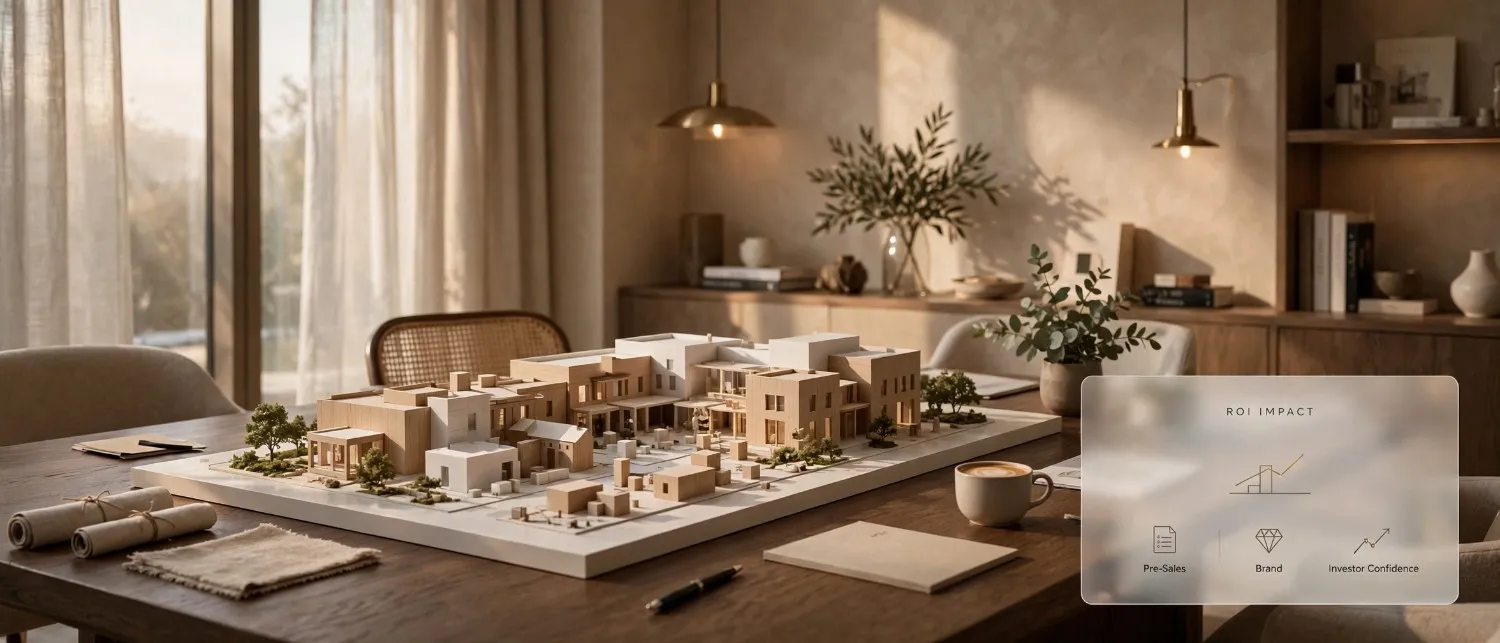
ROI and Business Impact: Why Developers Invest in Hotel Visualization
Boutique hotel 3D rendering represents a strategic investment with measurable commercial returns. Understanding these benefits helps developers allocate visualization budgets effectively.

According to lodging industry standards and market benchmarks, properties that deploy professional visualization during pre-construction phases achieve measurably higher early occupancy rates than those relying upon traditional marketing timelines.
Accelerated Pre-Sales and Revenue Generation
Properties with completed visualization packages launch marketing campaigns significantly earlier than those awaiting photography. This head start generates advance bookings, secures event reservations, and establishes rate positioning before competitors reach market. Accelerate property sales timelines by replacing photography-dependent marketing schedules with rendering-enabled campaigns.
Reduced Design Revision Costs
Identifying design issues through visualization prevents expensive construction-phase changes. Material clashes, spatial inefficiencies, and lighting deficiencies become apparent in rendered form long before physical commitment. The cost of rendering iterations pales in comparison to post-construction remediation.
Enhanced Competitive Positioning
In saturated hospitality markets, visual differentiation drives booking decisions. Properties represented through superior visualization command attention, convey quality, and justify premium positioning. Conversely, amateur imagery suggests corresponding operational standards and deters discerning travelers.
Investor Confidence and Capital Formation
Institutional and private investors respond to visual evidence of project quality. Professional renderings demonstrate development team competence, design sophistication, and market readiness. This perception reduces perceived investment risk and facilitates capital formation.
The following table summarizes key ROI factors:
| ROI Factor | Impact Description | Typical Benefit Timeline |
|---|---|---|
| Pre-construction marketing | Enable booking and investor presentations during design phase | 6–12 months before completion |
| Design validation | Identify spatial and material issues before construction | During design development |
| Brand positioning | Establish premium market presence and rate justification | Launch through stabilization |
| Stakeholder communication | Maintain investor confidence and regulatory approval momentum | Throughout development cycle |
| Digital asset creation | Produce reusable content for multi-channel campaigns | Ongoing post-opening |
Traditional Photography vs. 3D Rendering for Boutique Hotel Marketing
Marketing decision-makers frequently evaluate whether to invest in pre-construction rendering or await post-completion photography.
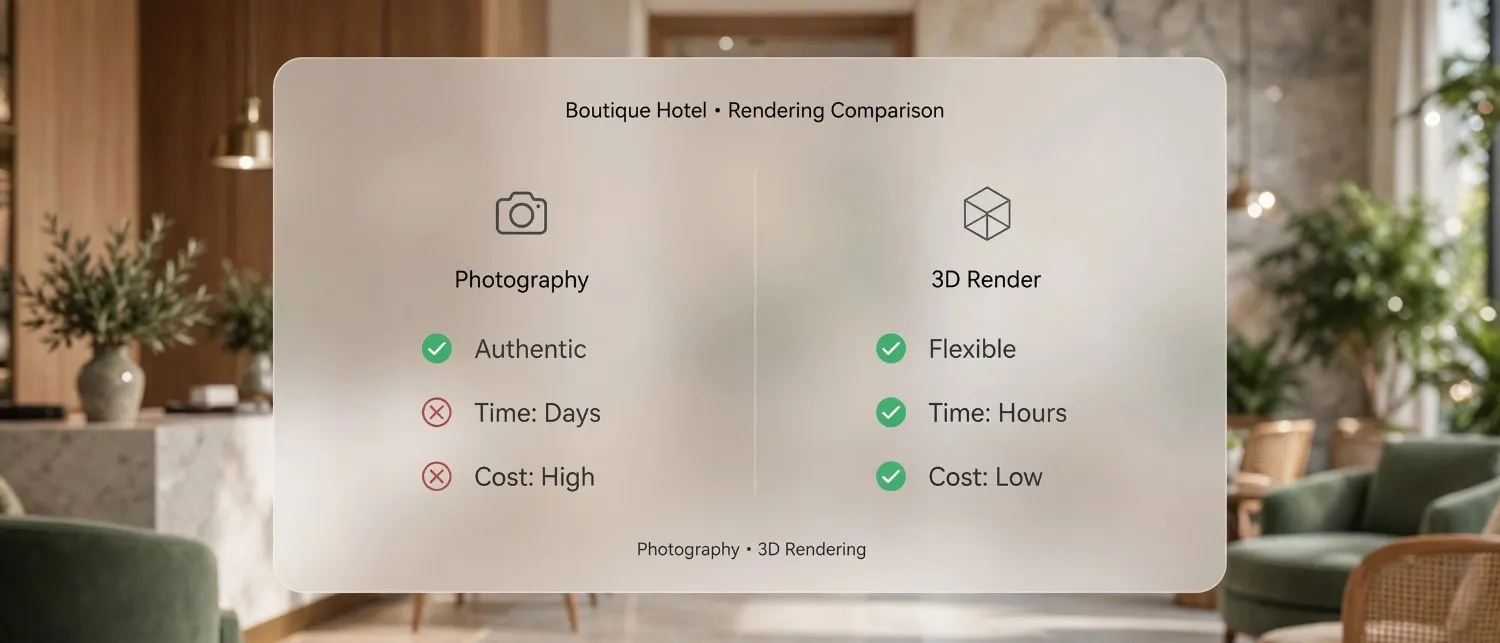
The following comparison clarifies these strategic options:
| Evaluation Criteria | Traditional Photography | Boutique Hotel 3D Rendering |
|---|---|---|
| Timing availability | Only after construction completion | Available during design phase |
| Weather dependency | Subject to seasonal and daily conditions | Fully controlled environmental conditions |
| Customization flexibility | Limited to existing physical conditions | Unlimited material, lighting, and styling options |
| Cost structure | Location shoot, staging, and production expenses | Predictable studio-based production costs |
| Revision capability | Requires physical changes or reshoots | Digital modifications with rapid turnaround |
| Contextual flexibility | Restricted to actual surroundings | Can represent future landscaping or neighboring developments |
| Multi-format output | Single capture requires recomposition | Infinite camera angles and derivative formats |
This comparison reveals that rendering and photography serve complementary rather than competing functions. Successful boutique properties typically deploy high-quality renderings during pre-construction and opening phases, subsequently transitioning to professional photography as operations mature.
Frequently Asked Questions About Boutique Hotel 3D Rendering
What exactly is boutique hotel 3D rendering?
Boutique hotel 3D rendering is the specialized practice of creating photorealistic digital images, animations, and interactive environments that visualize proposed boutique hotel designs before construction completion. This process combines architectural accuracy with artistic atmosphere to produce marketing and design validation assets that communicate spatial experience, material quality, and brand character.
How long does a typical boutique hotel rendering project take?
Project timelines vary based on scope complexity, asset quantity, and revision rounds. A comprehensive exterior rendering typically requires 5-7 business days, while full interior scenes may demand 7-10 days. Complete hotel packages encompassing multiple spaces, seasonal variations, and animation require 4-8 weeks. Early engagement during schematic design phases enables optimal scheduling and integration with marketing timelines.
What files and information do developers need to provide?
Successful rendering production requires architectural drawings (floor plans, elevations, sections), interior design specifications (material boards, furniture schedules, finish plans), lighting plans, landscape concepts, and brand guidelines. Reference photography of similar properties or desired atmospheric qualities further assists creative alignment. Prepare architectural drawings for rendering with organized layer structures and clear dimensional notation to streamline production.
How much should boutique hotel visualization cost?
Investment levels depend upon deliverable quantity, complexity, and resolution requirements. Single high-resolution exterior renderings typically start at professional studio rates, while comprehensive hotel packages scale according to room count, amenity diversity, and animation needs. Transparent pricing discussions help developers budget appropriately for visualization as a percentage of overall marketing expenditure.
Can renderings accurately represent custom or artisanal materials?
Professional rendering studios develop custom digital materials from physical samples when standard libraries prove insufficient. Artists photograph actual material specimens under controlled lighting, then process these captures into PBR texture maps that replicate surface behavior. This bespoke approach ensures that unique artisanal finishes, reclaimed elements, and custom textiles receive accurate visual representation.
What is the difference between 3D rendering and 3D modeling for hotels?
3D modeling creates the underlying geometric structure of a hotel design: walls, floors, furniture, and fixtures represented as three-dimensional digital objects. 3D rendering applies materials, lighting, cameras, and atmospheric effects to these models to produce final photorealistic images. Modeling constitutes the foundation; rendering represents the finished visual communication. Both disciplines remain essential, though they require distinct skill sets and software specializations.
How do boutique hotel renderings help secure development financing?
Professional visualization enables investors and lenders to evaluate design quality, market positioning, and competitive differentiation without relying upon imagination or abstract drawings. Renderings demonstrate development team capability, reduce perceived execution risk, and support valuation assumptions. Furthermore, these assets facilitate pre-sales and booking evidence that strengthens loan applications and equity presentations.
Should renderings replace professional hotel photography?
Renderings complement rather than replace photography. During pre-construction and launch phases, renderings provide the only available high-quality visual assets. As operations commence, professional photography captures actual guest experiences, staff interactions, and operational atmosphere. Savvy marketers blend both asset types: renderings for architectural clarity and design storytelling, photography for human warmth and service evidence.
Conclusion
Boutique hotel 3D rendering has evolved from a supplementary design tool into an essential strategic asset for hospitality development. From initial concept visualization through guest experience marketing, these digital assets influence design refinement, investor confidence, regulatory approval, and revenue generation at every project phase.
The distinctive nature of boutique hospitality, with its emphasis on individuality, atmospheric depth, and experiential storytelling, demands visualization approaches that transcend generic architectural representation. Successful projects partner with specialized rendering studios that understand hospitality nuances, material authenticity, and emotional engagement.
As digital marketing channels proliferate and traveler research behavior intensifies, the competitive advantage conferred by superior visualization grows increasingly pronounced. Properties represented through immersive, accurate, and emotionally resonant renderings capture attention earlier, convert bookings faster, and establish premium positioning more effectively than competitors relying upon conventional marketing approaches.
Developers who integrate boutique hotel 3D rendering into their earliest planning stages reap maximum benefit. Visualization-informed design decisions reduce costly revisions. Rendering-enabled marketing accelerates revenue timelines. Investor-grade visual assets facilitate capital formation. Collectively, these advantages transform visualization expenditure from marketing cost into high-yield strategic investment.