A long term rendering studio relationship developer teams can rely on is built on a standing visualization partnership: a shared brief template, a locked style guide, a reusable asset library, a defined revision protocol, and a pipeline-level forecast that lets the studio plan capacity ahead of each project phase. Developers who treat a rendering studio as an embedded visualization partner rather than a one-off vendor gain faster turnaround, consistent brand output across entitlement, pre-sales, and marketing stages, and lower per-project coordination cost. The process starts with a scoped pilot project, moves to a formal workflow agreement, and matures into a retainer or priority-capacity arrangement reviewed against measurable KPIs every quarter.


If your team needs photorealistic real estate 3D rendering services that stay consistent from the first massing study to the final sales brochure, the rest of this guide shows you exactly how to structure that partnership. You will find a step-by-step framework, comparison tables, common mistakes, expert tips, and a ready-to-use review scorecard.
What a Long-Term Rendering Studio Relationship Means for a Developer
A long-term rendering studio relationship is an ongoing working agreement between a real estate developer and a visualization studio. Under this agreement, the studio learns your brand, your design language, your approval process, and your project pipeline. As a result, every new project starts from accumulated knowledge instead of a blank page.
Quick answer: A long-term relationship exists when the studio can start a new project from your existing style guide, asset library, and brief template without re-learning your preferences.
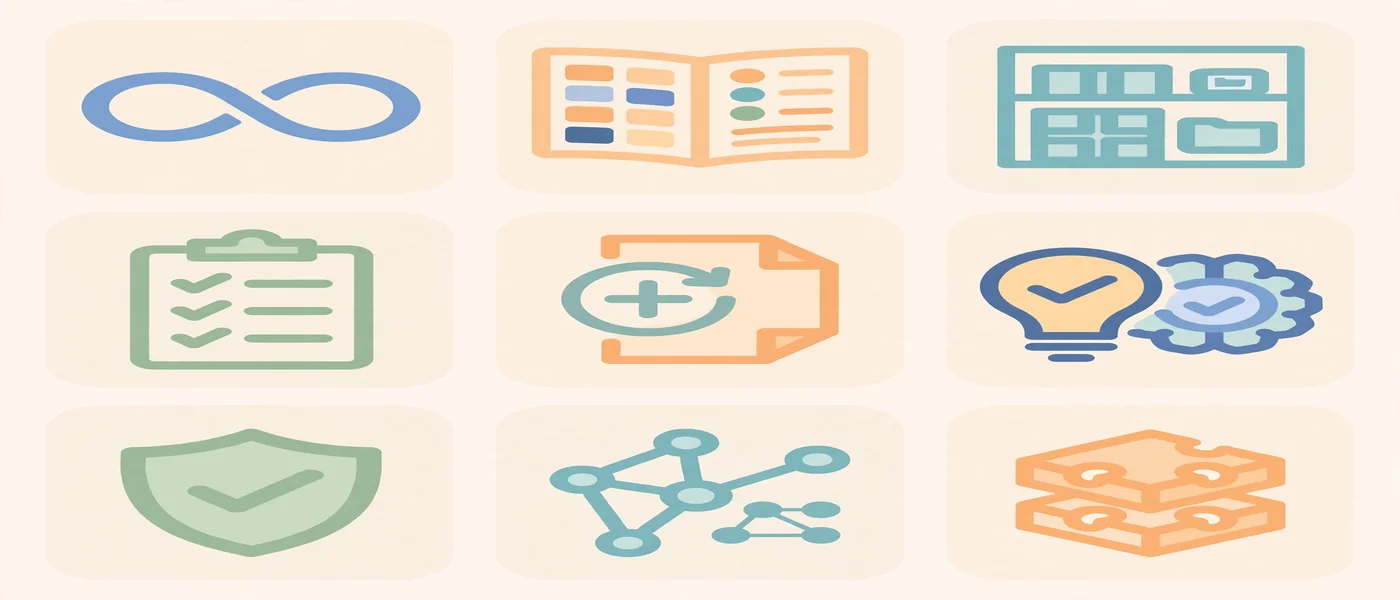
In practice, the relationship usually shows up in five ways:
- Shared standards: Both sides use the same camera heights, lighting moods, material libraries, and color grading rules.
- Predictable workflow: Briefs, feedback rounds, and approvals follow a documented sequence.
- Capacity planning: The studio knows what is coming in the next two to three quarters.
- Reusable assets: Entourage, furniture, landscaping, and site context models get reused across phases.
- Mutual accountability: Both teams review speed, quality, and revision counts on a regular schedule.
Developers often assume that a long-term relationship means a long contract. However, the contract is the smallest part. The real value comes from the operating system you build together.
The core difference between a vendor and a visualization partner
A vendor delivers what the brief says. A partner challenges the brief when it will not serve the project goal. For example, a partner may point out that a hero view faces the wrong direction for afternoon light, or that a lobby render will not communicate the amenity story to buyers. That kind of input only appears after the studio understands your market, your buyers, and your approval authorities.
Why a Long Term Rendering Studio Relationship Pays Off
Every development project runs on visuals. Planning boards, investors, lenders, community groups, brokers, and buyers all respond to images before they read a single spec sheet. Consequently, the quality and consistency of those images affect approvals, financing conversations, and sales velocity.
Our guide on how real estate developers win approvals and sales using 3D renderings explains why visuals matter at each gate. A stable studio partnership makes those visuals faster to produce and easier to keep consistent.
Key benefits for developers
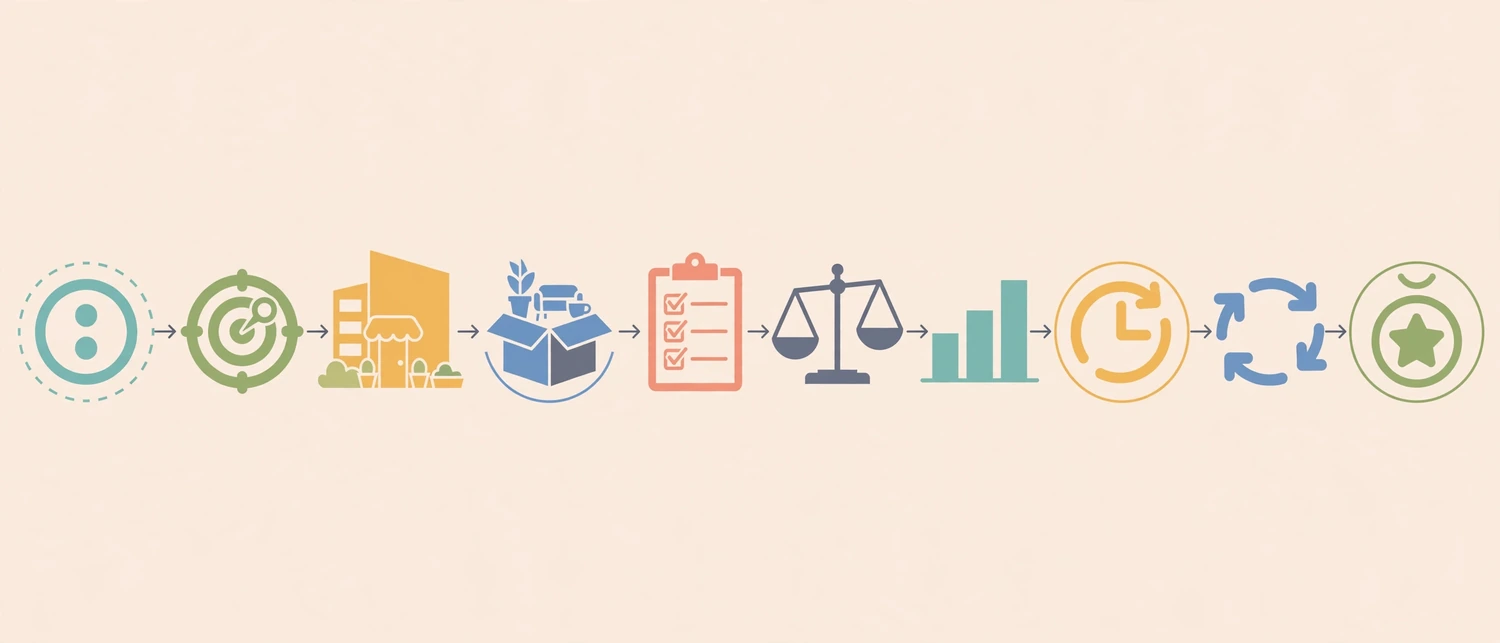
- Faster turnaround: The studio already holds your models, materials, and preferences, so production starts sooner.
- Consistent brand output: Entitlement images, sales gallery graphics, and website visuals all look like they belong to one project.
- Lower management overhead: Your project team stops re-explaining the same preferences on every job.
- Better problem solving: The studio flags design conflicts early because it understands your intent.
- Fewer revision rounds: Clear standards reduce subjective back-and-forth.
- Priority access: Studios protect capacity for clients who share forecasts and commit to recurring work.
- Scalable production: Portfolio launches and phased communities become easier to visualize in a repeatable way.
Why this matters more in the current search and marketing landscape
Buyers now discover projects through search engines, AI summaries, social feeds, and broker portals. Therefore, visual consistency across channels builds recognition and trust. When the same studio produces your exterior, interior, amenity, and aerial views, the result looks cohesive in every listing and every snippet.
One-Off Vendor vs Long-Term Studio Partner
The table below compares the two models side by side. Use it to audit where your current arrangement sits.
| Factor | One-Off Vendor Model | Long-Term Studio Partnership |
|---|---|---|
| Onboarding | Repeated for every project | Done once, then refined |
| Style consistency | Varies by project and artist | Locked through a style guide |
| Turnaround | Standard queue | Priority or reserved capacity |
| Briefing effort | Heavy, from scratch each time | Template-based and fast |
| Revision rounds | Often high due to misalignment | Lower because standards are shared |
| Pricing | Per-project quotes | Volume tiers or retainer terms |
| Asset reuse | Rare | Library of models, materials, entourage |
| Strategic input | Minimal | Studio advises on views, timing, and story |
| Risk | Quality and schedule vary | Predictable output and escalation path |
| Cost over time | Higher coordination cost | Lower total cost per delivered image |
What to ask for in a retainer or volume agreement
- A clear definition of included hours or deliverables.
- A rollover policy for unused hours, if any.
- Guaranteed turnaround ranges for standard requests.
- Revision allowances per image.
- Ownership and usage rights for final files and source assets.
- A fair exit clause for both sides.
Expert note: Never negotiate on price alone. Instead, negotiate on predictability, turnaround, and revision policy. These three factors drive real project value.
Common Mistakes Developers Make

Even experienced teams repeat the same errors. Avoid these ten.
- Choosing on price alone. The lowest bid often hides revision fees, slow delivery, or inconsistent quality.
- Skipping the pilot. Without a test project, you commit blindly.
- Sending incomplete drawings. Missing elevations, materials, or site data cause rework.
- Giving scattered feedback. Multiple stakeholders sending separate comments creates conflicts.
- Changing the design after approval. Late changes break schedules and budgets.
- Hiding the pipeline. Studios cannot reserve capacity for projects they never hear about.
- Treating the studio as a vendor only. Partners need context to give strategic advice.
- Ignoring the style guide. Without standards, every image drifts in tone.
- Never reviewing performance. Small issues grow when nobody discusses them.
- Switching studios too often. Constant changes erase accumulated knowledge and consistency.
How to fix each mistake quickly
- Replace price-only selection with a weighted scorecard.
- Run a pilot before any multi-project commitment.
- Use a standard submission checklist for drawings.
- Appoint one feedback owner per project.
- Freeze design decisions at the clay review stage.
- Share a rolling three-month pipeline outlook.
- Invite the studio to early design discussions.
- Update the style guide after every project.
- Hold a quarterly review without exception.
- Evaluate switching only after a documented improvement attempt.
Expert Tips From Real Production Workflows

These tips come from the way visualization teams actually work behind the scenes.
Tip 1: Give the purpose of every image
A planning submission image and a luxury sales brochure image require different treatment. When you state the purpose, the studio chooses the right camera, realism level, and context accuracy.
Tip 2: Approve camera angles before materials
Changing a camera angle after texturing forces the studio to rework lighting, context, and composition. Therefore, lock the view early.
Tip 3: Share the full design package, not just a single plan
Provide plans, elevations, sections, material schedules, and site information together. The more complete the package, the fewer assumptions the artist must make.
Tip 4: Respect the studio's creative judgment
You hired specialists. When an artist recommends a different angle or lighting mood, consider it seriously. Often, those suggestions improve how buyers perceive the project.
Tip 5: Document lessons learned after each project
Keep a short log of what worked and what did not. Over time, this log becomes a powerful reference for onboarding new team members.
Tip 6: Use the same studio across channels
When the same team produces exteriors, interiors, floor plans, and marketing graphics, the visual story stays unified. This unity improves brand recall and supports trust.
Tip 7: Align visuals with accurate representation
Renderings should reflect what you intend to build. Industry groups such as the National Association of Home Builders provide guidance and resources on building practices and marketing standards, which can help you keep visuals honest and compliant. Accuracy protects buyer trust and your reputation.
Tip 8: Plan visuals alongside the market story
Developers who understand their market position choose better images. Research from organizations like the Urban Land Institute offers perspective on development trends, which can inform the narrative your visuals should support.
Tip 9: Celebrate wins together
When a rendering helps win an approval or launch a sales center, tell the studio. Positive feedback motivates the team and strengthens the bond.
Tip 10: Keep the conversation open
If something frustrates you, say so early and specifically. Most issues are fixable when raised quickly.
How to Measure the Health of the Relationship
What gets measured gets managed. Use a simple scorecard every quarter.
| KPI | What to Track | Healthy Signal |
|---|---|---|
| Turnaround time | Days from brief to first draft | Stable or improving |
| Revision count | Average rounds per image | Declining over time |
| First-draft accuracy | Percentage of drafts needing major changes | Declining over time |
| Brief completeness | Percentage of briefs needing clarification | Declining over time |
| Style consistency | Internal rating across projects | Consistently high |
| Responsiveness | Average reply time | Within agreed window |
| Business impact | Approvals, pre-sales interest, marketing performance | Positive and trackable |
| Satisfaction | Rating from both teams | Mutual and improving |
Connect visuals to business outcomes
Because Google and other search systems increasingly summarize answers directly, the value of marketing assets now shows up in conversions, inquiries, and brand authority more than in raw traffic. Therefore, track outcomes such as sales gallery visits, broker requests, planning feedback, and lead quality. Then link those outcomes back to specific visual assets.
If you want a faster path to measurable results, read our article on how to sell your properties faster with 3D renderings.
When It is Time to Change Studios
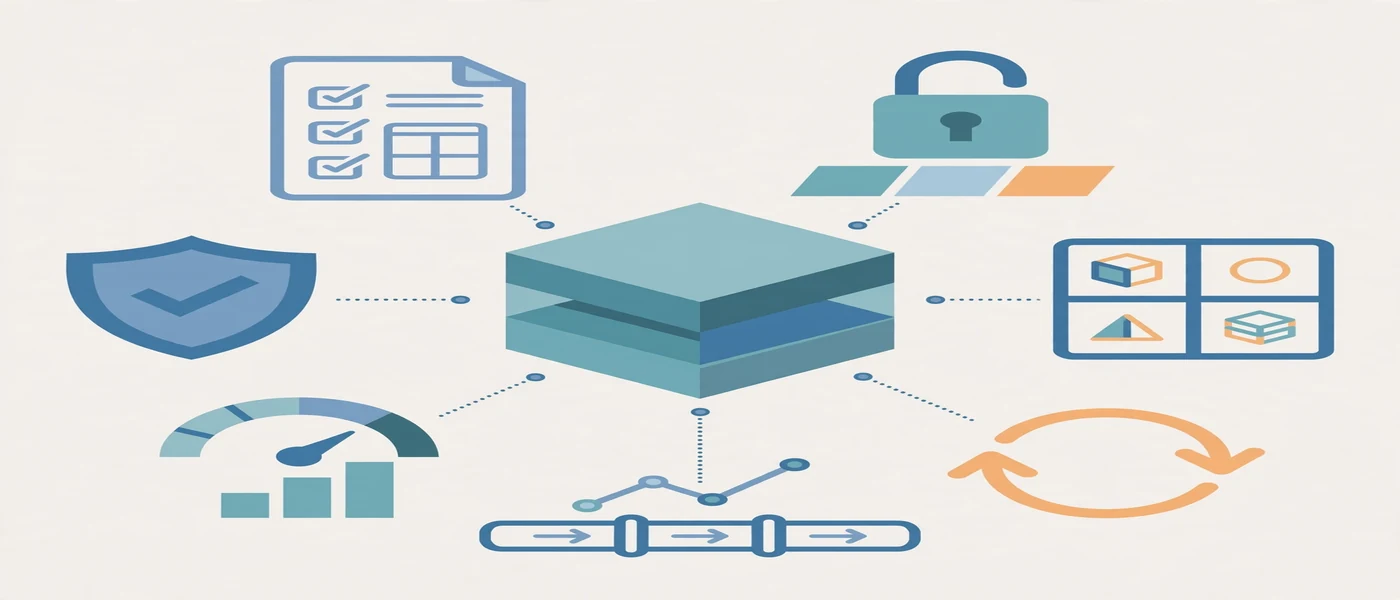
Not every partnership lasts. Sometimes a change protects your project. Look for these warning signs:
- Repeated missed deadlines without a clear explanation.
- Declining quality despite clear feedback.
- Poor communication that forces you to chase updates.
- Unexplained cost increases or hidden fees.
- Inability to scale when your pipeline grows.
- Rigid processes that ignore the realities of development schedules.
How to exit professionally
- Document the issues and share them in writing.
- Give the studio a fair chance to correct them.
- Retrieve all source files, models, and assets under your usage agreement.
- Transition active projects at a natural milestone.
- Brief the new studio using your existing style guide and templates.
Because you built standards early, switching becomes far less painful. In other words, the same documents that support a long-term relationship also protect you if the relationship ends.
FAQ
What is a long term rendering studio relationship for a developer?
A long term rendering studio relationship for a developer is an ongoing partnership in which one visualization studio produces renderings across multiple projects and stages. The studio learns your brand, standards, and workflow, which speeds up production and improves consistency.
How do I start a long term rendering studio relationship as a developer?
Start with a scoped pilot project. Then create a brief template and style guide, define a feedback protocol, agree on transparent pricing, and share your upcoming pipeline. Finally, review performance every quarter.
How long does it take to build a strong working relationship with a rendering studio?
Most developers see noticeable improvements after two or three projects. By then, the studio understands your preferences, and your team understands the studio's process. Timing varies by project size and how quickly both sides document standards.
Is a retainer better than per-project pricing?
A retainer works best for developers with a steady pipeline. It reserves production capacity and often lowers the effective cost per image. Per-project pricing suits occasional work or first-time collaborations.
How many revision rounds should I expect?
Many studios include a defined number of revision rounds per stage. The exact number depends on the studio's policy. Clear briefs and consolidated feedback usually reduce the number of rounds needed.
Can I use one rendering studio for exteriors, interiors, and marketing graphics?
Yes. Using one studio for all visual types keeps lighting, materials, and style consistent. It also simplifies communication and file management.
What should I do if my current studio is not meeting expectations?
Document the issues, share them clearly, and give the studio a chance to correct them. If problems continue, collect your source files and transition to a new studio using your existing style guide and brief template.
Do AI tools change how developers should work with rendering studios?
AI tools help studios speed up production and explore variations, but human art direction still guides quality and accuracy. A strong studio partnership combines both. As a result, developers benefit from faster delivery without losing creative control.
Conclusion
A long term rendering studio relationship developer teams can count on does not happen by accident. It grows from deliberate steps: a smart studio selection, a focused pilot, a shared brief and style guide, a clear feedback protocol, a reusable asset library, transparent pricing, early pipeline sharing, and honest quarterly reviews. Each step reduces friction, and together they turn a transactional vendor into a trusted visualization partner.
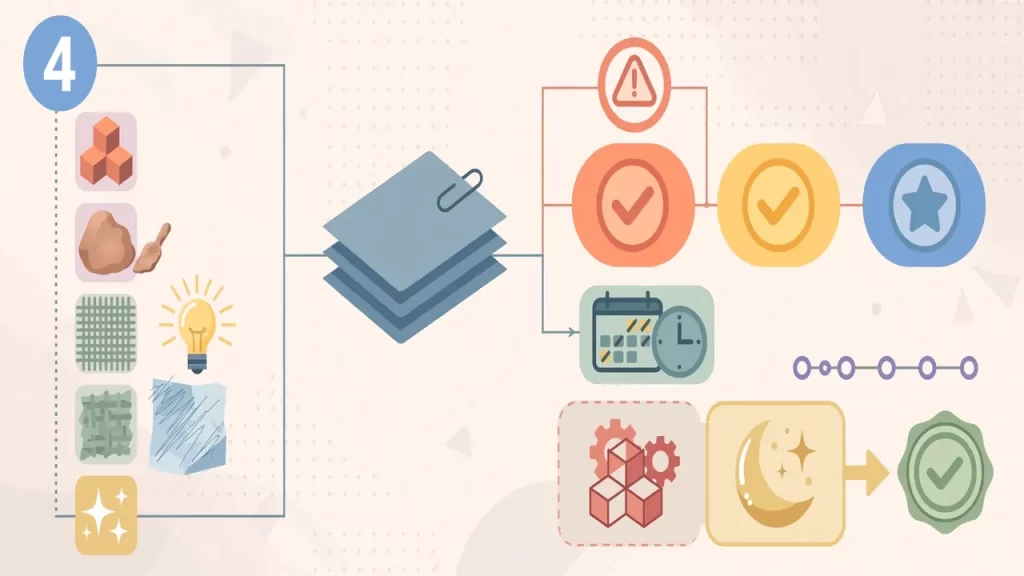
The payoff is practical. You receive faster turnaround, steadier quality, fewer revisions, and visuals that tell one consistent story from entitlement to sales. Most importantly, those visuals help you win approvals, build buyer confidence, and bring projects to market with less stress.
Ready to build that kind of partnership? Start your next development project with a dedicated rendering partner and give your team a visualization studio that grows with your pipeline.